
Keep Your Kettle Running Like New with These Simple Tips
, by PAUL FRAIKUE, 3 min reading time
, by PAUL FRAIKUE, 3 min reading time
Extend the life of your electric kettle with these simple, natural cleaning tips. Learn how to descale a kettle, prevent limescale buildup, and practice daily maintenance to keep your kettle running safely and efficiently in any Ghanaian kitchen.
In many Ghanaian kitchens, the electric kettle is more than a convenience — it's a daily essential. From your morning tea to preparing hot water for cooking or cleaning, it sees constant use. Over time, this leads to limescale buildup, stains, and reduced performance. The good news? With a few easy maintenance steps, you can prolong your kettle’s lifespan and maintain its speed and safety. If you’ve been wondering how to clean a kettle, how to safely clean an electric kettle, or how to prevent scaling in your kettle, this practical guide is packed with simple, natural solutions.
Electric Kettle Maintenance Tips Every Household Should Know
A well-maintained electric kettle will heat water faster, last longer, and even save on electricity. One of the biggest issues most users face is limescale buildup, especially if you live in an area with hard water.
1. Descale Regularly
Not sure how to descale a kettle? Try these easy methods:
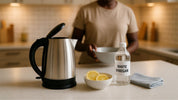
Vinegar Method: Fill your kettle with 1 part white vinegar and 2 parts water. Boil it, let it sit for 15–20 minutes, then rinse thoroughly.
Lemon Method: Boil water with lemon slices or 2 tablespoons of lemon juice. Let it sit and rinse. This method leaves a fresh scent and is ideal if you're wondering is it safe to clean a kettle with lemon juice.
Baking Soda Method: Add 1 teaspoon of baking soda to water, boil, let it rest, then rinse well.
These home methods are among the best natural ways to descale a kettle at home and are part of what we call advanced anti-limescale kettle maintenance solutions.
2. Empty After Use
Don’t leave water sitting in your kettle—it encourages limescale and can lead to rust. This simple habit supports anti-scale kettle care and helps keep kettles rust-free and long-lasting.
3. Use Filtered Water
Filtered or softened water has fewer minerals, which slows down limescale. It's a smart move if you're aiming for cleaner kettle interiors and fewer deep cleans.
4. Clean the Exterior
Wipe the outside of your kettle regularly with a damp cloth. This prevents residue and keeps your kettle for hot water or kettle for tea looking good on your countertop.
5. Don’t Overfill
Always keep water below the max line to avoid spills and protect the heating element.
6. Always Fill with Water Before Turning On
Wondering what’s the easiest way to clean a kettle and prevent damage? Never turn it on empty. This small habit can save your kettle from burning out.
Daily Habits for Long-Lasting Kettle Care
Proper maintenance isn’t just about deep cleaning. These daily habits help avoid buildup and damage:
Empty After Use: Leaving water in your kettle encourages limescale formation and can lead to corrosion.
Use Filtered Water: Filtered water has fewer minerals, which means less scale remover needed later.
Don’t Overfill: Keep water below the maximum line to prevent overflow or damage to the heating element.
Clean the Exterior: Wipe it down regularly with a damp cloth to remove splashes and stains.
Avoid These Common Mistakes
Never Turn It On Empty: Wondering why your kettle isn’t heating? It might be due to dry boiling. Always fill with water before turning on to protect the heating element.
Check for Scaling Often: If you're asking, how often should I descale my kettle? Aim for once every 1–2 weeks if you use it daily.
Keeping your kettle clean helps prevent performance issues and extends its lifespan. This is especially important if you’re using kettles resistant to limescale, or kettles with stainless steel interiors—they still need care to last.
Quick Kettle Care FAQs
What causes kettle limescale? Minerals in hard water.
Can I clean with vinegar? Yes, it’s safe and effective.
What’s the easiest way to clean a kettle? Boil vinegar or lemon juice with water, let sit, rinse.

Subscribe to our emails


